Introduction
In the ever-evolving landscape of medical care, remaining abreast of new techniques and innovations is critical. This need is specifically true in crucial care atmospheres, where the capacity to handle a patient's air passage and air flow can mean the difference in between life and death. As medical care specialists, acquiring the necessary abilities in airway and ventilation management is not just beneficial; it's crucial. In this comprehensive overview, we will certainly check out ventilation training courses created especially for healthcare specialists wanting to elevate their abilities in this essential area.
Why Is Ventilation Training Important?
Understanding just how to efficiently use ventilators is crucial, particularly when handling patients that have actually compromised respiratory feature. The significance of ventilator training for nurses and various other doctor can not be overstated. Correct training ensures that medical professionals can evaluate an individual's demands accurately and deliver ideal treatments swiftly.
Elevate Your Skills: Top Ventilation Training Courses for Health Care Professionals
In our deep study ventilation training courses, we will take a look at various offerings readily available around the world that accommodate various professional requirements, from basic to sophisticated levels. We'll check out program structures, content, qualification options, and more.
1. Review of Ventilation Training
What Is Air flow Training?
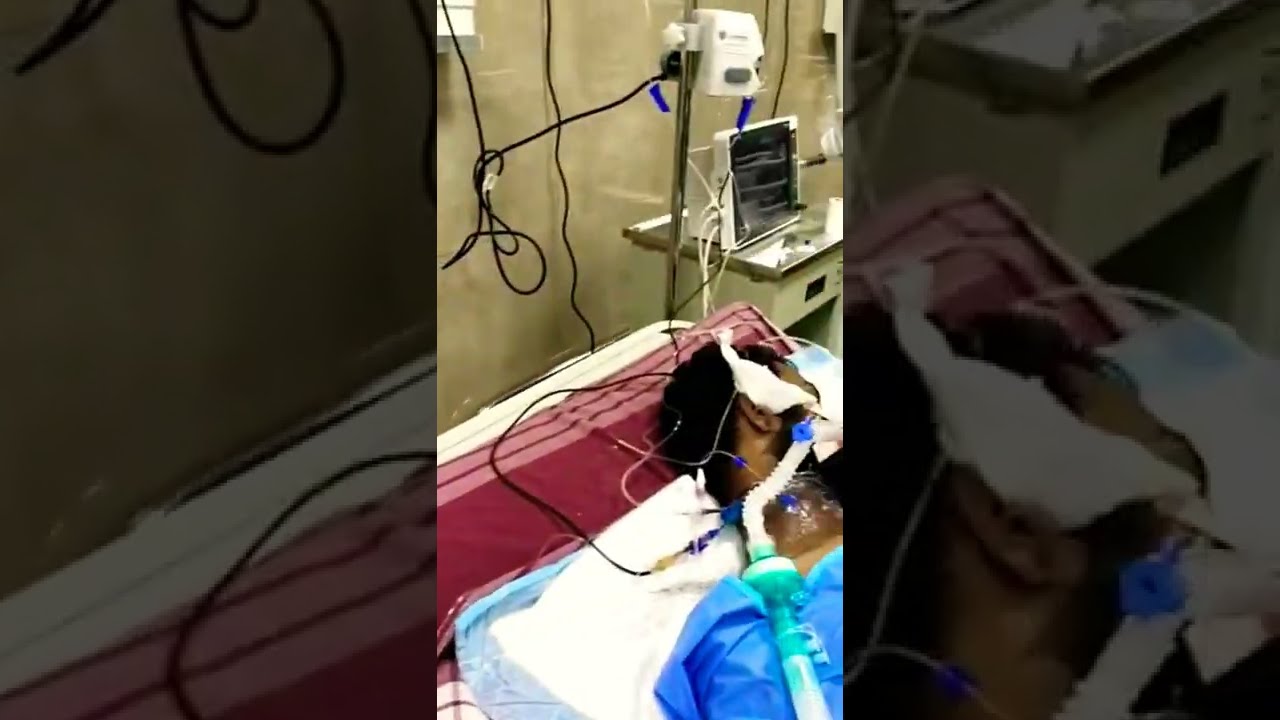
Ventilation training incorporates various curricula made to show medical care professionals how to run ventilators efficiently and handle patients calling for breathing support. This includes understanding various modes of air flow, interpreting ventilator settings, and acknowledging complications related to mechanical ventilation.
The Role of Ventilators in Patient Care
Ventilators are essential devices in contemporary medication, usually utilized in emergency situation circumstances or throughout surgical treatments where clients can not take a breath individually. Understanding exactly how these makers work enables healthcare providers to supply far better care.
2. Types of Ventilation Training Courses
Basic Ventilator Course
A basic ventilator course usually covers foundational concepts such as:
- Understanding the anatomy of the respiratory system system The technicians of breathing Basic modes of mechanical ventilation Hands-on practice with ventilator equipment
Course Structure
Most standard ventilator programs include both theoretical lessons and useful sessions making use of simulation equipment.
Advanced Ventilator Training
For those looking for advanced understanding, courses concentrating on complicated air flow approaches are available. These usually consist of:
- Advanced setups like ventilator stress support Management strategies for ARDS (Intense Respiratory System Distress Syndrome)
Learning Outcomes
Participants can expect to obtain efficiency being used innovative functions on contemporary ventilators to maximize individual outcomes.

3. Specialized Ventilation Courses
Tracheostomy and Ventilator Training
This specialized course focuses on handling clients that require tracheostomies along with mechanical air flow. Key elements include:

- Indications for tracheostomy Care protocols for tracheostomy patients Advanced air passage management techniques
NDIS Ventilation Course
The NDIS (National Disability Insurance coverage System) emphasizes tailored approaches for people with disabilities requiring specialized air flow support. This course covers:
- Patient-centered care practices Coordination with multidisciplinary teams Managing home-based air flow systems
Target Audience
Healthcare employees associated with neighborhood health services will certainly discover this course particularly beneficial.
4. Picking the Right Course
Factors to Consider When Choosing a Course
When selecting a ventilation training course, think about the following:
Level of Experience: Are you a beginner or a skilled practitioner? Course Content: Does it cover what you need? Format: Is it online or hands-on? Accreditation: Is the program acknowledged by relevant authorities?5. Popular Institutions Offering Air Flow Training
University-Based Programs
Many colleges provide detailed programs that incorporate classroom knowing with medical practice.
University X-- Supplies both standard and sophisticated courses. University Y-- Focuses on NDIS-related training.Advantages
University programs often supply academic debt which can be helpful for profession advancement.
Online Platforms
Online platforms like Coursera or Udacity likewise provide flexibility with different programs on airway monitoring and ventilation.
Pros & & Cons
While online layouts enable self-paced learning, they may lack hands-on experience unless coupled with neighborhood workshops.
6. Practical Applications of Understanding Gained
Implementing Abilities at Work
Upon completion of any kind of course, individuals should feel great implementing their newly acquired abilities within their workplace settings-- be it hospitals or personal practices.
Case Studies
Real-life circumstances are often reviewed throughout training sessions which aid illustrate sensible applications effectively.
7. Frequently Asked Questions Concerning Ventilation Training
1. What is ventilator support?
Ventilator support refers to mechanical support provided by ventilators that assist keep adequate respiration in people not able to take a breath separately as a result of ailment or injury.
2. That requires air flow training?
Healthcare specialists such as nurses, respiratory therapists, and paramedics profit dramatically from ventilation training due to their functions in patient treatment involving respiratory support systems.
3. How long do these courses generally take?
The duration varies-- standard training courses may last a day or more while advanced or specific programs can extend over a number of weeks depending on deepness and complexity.
4. Are there requirements for enrollment?
Prerequisites usually depend on the level of the course; basic programs generally need no previous experience while advanced ones might require some foundational knowledge concerning respiratory therapy.
5. Can I obtain certified after finishing a course?
Yes! Lots of establishments use https://blogfreely.net/caldisahep/ventilator-assistance-101-everything-you-need-to-called-a-new-professional certification upon conclusion which validates your competence in taking care of respiratory tract and ventilation effectively.
6. Exactly how commonly ought to I refresh my knowledge?
It's a good idea to freshen your expertise every couple of years via extra training courses or workshops since standards and technologies continuously advance within the field.
Conclusion
Elevating your skills via committed ventiation training is not simply a financial investment in your career; it's an investment in ndis ventilation training course individual security and quality treatment delivery within medical care systems worldwide. By exploring varied chances from fundamental ventilator training courses approximately specialized NDIS-related trainings, you're sure to find something that fits your professional demands perfectly!
Whether you're just starting out or aiming to grow your existing data base, keep in mind that every training course completed brings you one step better to becoming a specialist in air passage management and ventilation-- abilities essential not only for your career however likewise for enhancing individual end results throughout various settings.
So why wait? Explore these premier courses today!